To thoroughly implement the important deployment of central government regarding deepening national reading activities, and to advance the implementation of the National Reading Promotion Regulations, the Open University of China (OUC) Library (University History Museum) has launched the 2026 "Chinese Elegance, Boundless Reading" Reading Initiative. Through a series of online and offline reading promotion activities across the entire open university system, the initiative aims to enrich the cultural foundation of faculty and students, foster a strong atmosphere of “loving to read, reading good books, and reading well”, and contribute to building an education system serving lifelong learning for all.
To thoroughly implement the important deployment of the central government regarding deepening national reading activities, and to conscientiously carry out publicity and implementation work for the “National Reading Promotion Regulations”, the Open University of China (OUC) and the Seniors University of China (SUC) has officially launched the 2026 "Chinese Elegance, Boundless Reading" Reading Initiative. Through a series of online and offline reading promotion activities across the entire open university system, this initiative aims to advance the deep integration of national reading and lifelong learning, contributing to the construction of a learning-oriented society and nation where "everyone can learn whenever and wherever they want to."
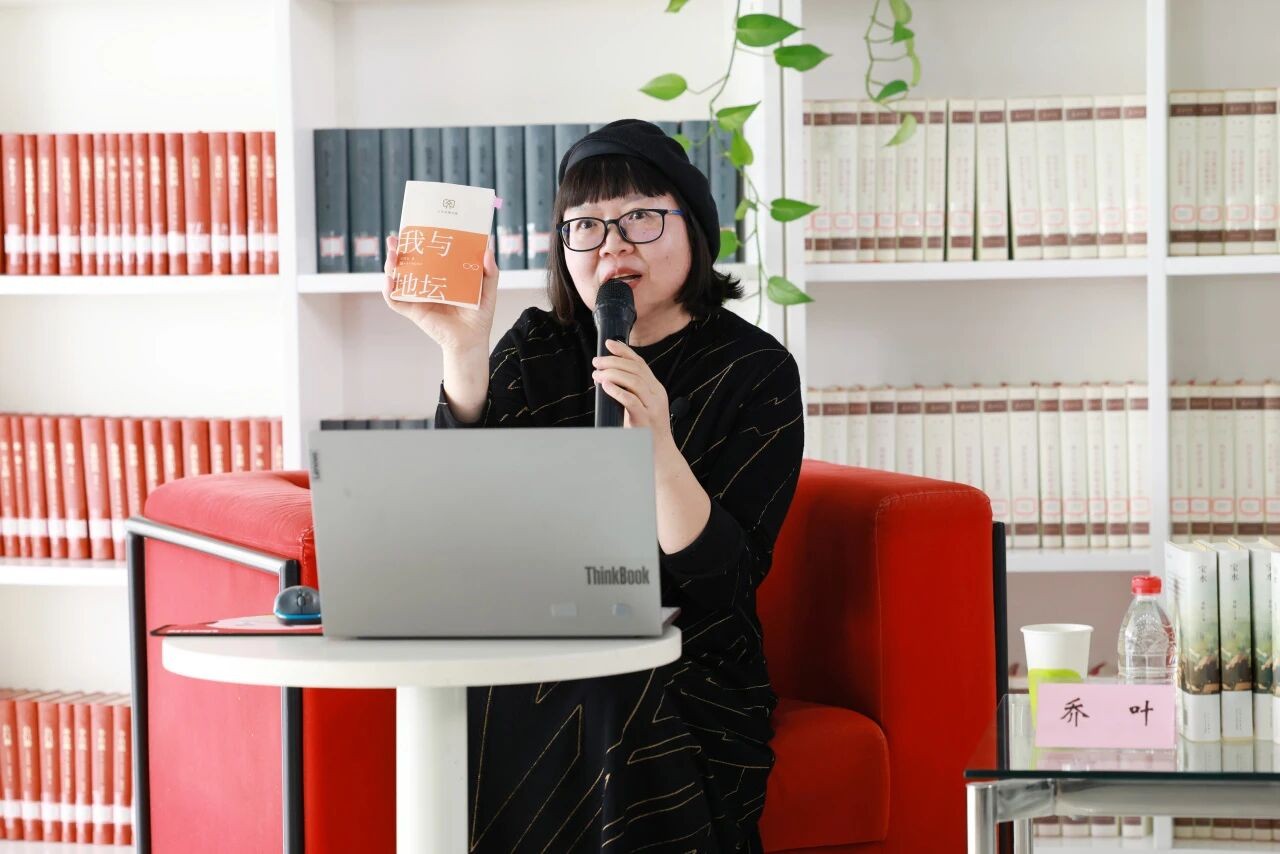 Recently, the "Master Lectures on Reading" series was held at the Open University of China (OUC). QIAO Ye, winner of the Mao Dun Literature Prize and Lu Xun Literature Prize, and Vice Chair of the Beijing Writers Association, served as the guest speaker. This session focused on the theme "Growing Through Reading Classics." Representatives of OUC faculty and staff, students from the Experimental College, and representatives from the Seniors University of China attended the event. The event was presided over by DONG Lichao, Deputy Director of the Learning Resources Department and Library (University History Museum).
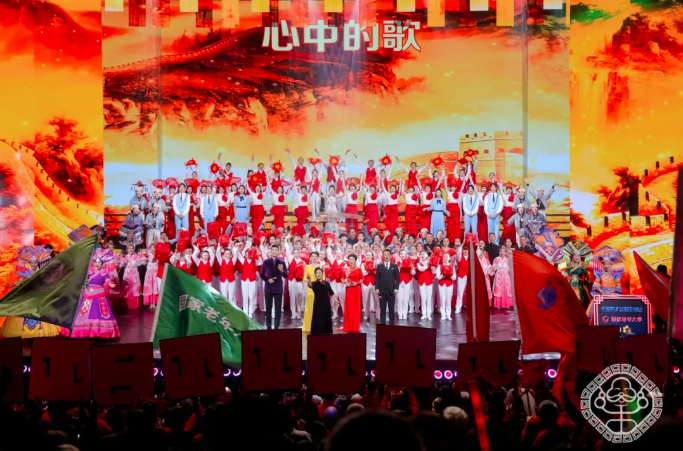 On 4 February, coinciding with the Start of Spring, 2026 Golden Age Spring Festival Gala jointly organised by Seniors University of China (SUC), China Education Television, and the Beijing Yao Yang Charity Foundation, was held at Beijing Century Theatre. The event served as a heartwarming celebration for the senior community, showcasing the vitality and charm of the "silver-haired youth" in the new era.
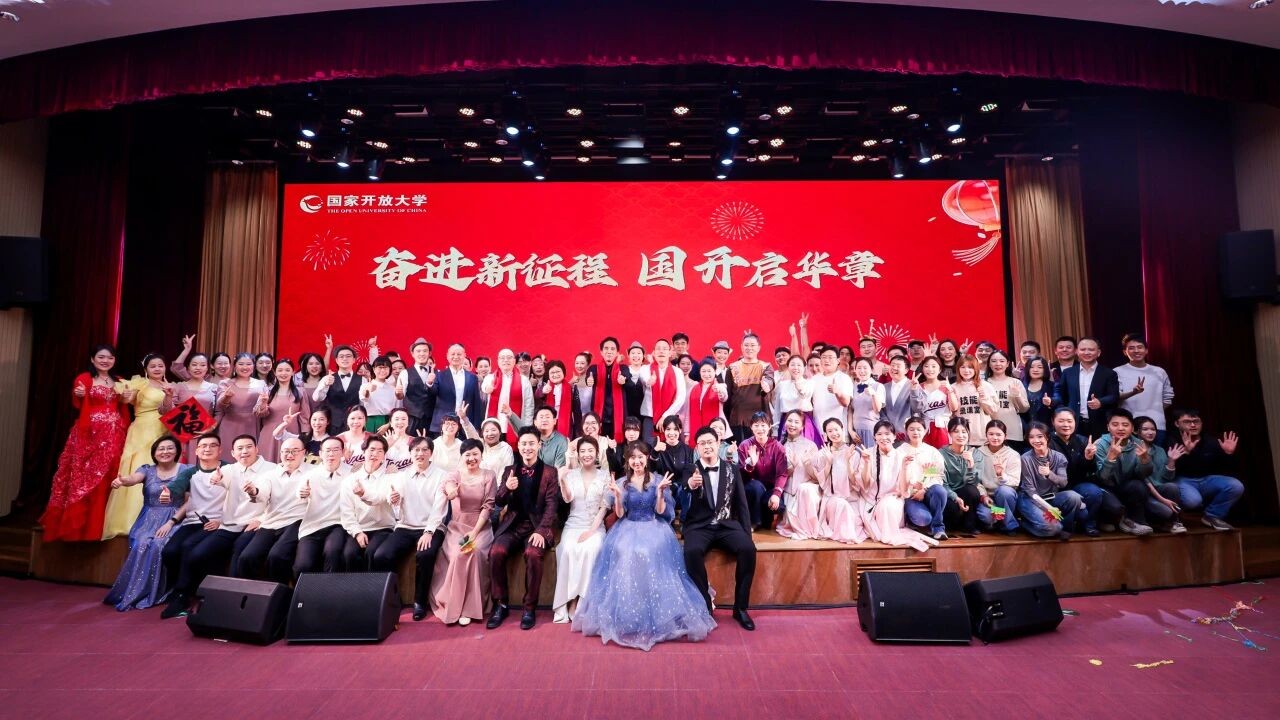 On 28 January, the Open University of China (OUC) launched its 2026 New Year Gala, with the theme of "Embracing New Journeys, Writing New Chapters".
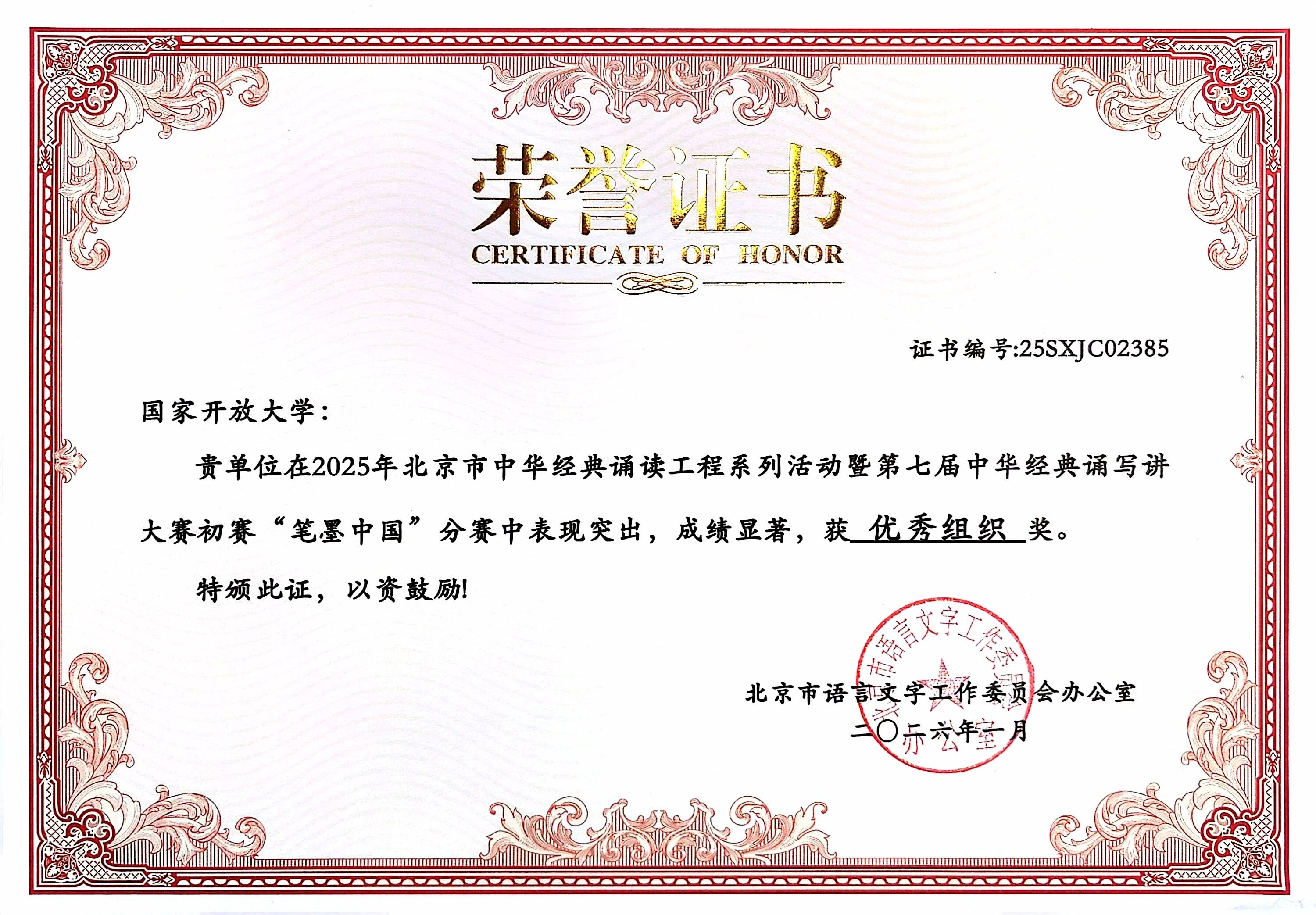 The “Brush-and-Ink China” Chinese Calligraphy Competition, part of the 7th Chinese Classics Recitation, Writing, and Speaking Contest, organised by the Ministry of Education and the National Language Commission, concluded successfully. Faculty and students from the Calligraphy major of the Open University of China (OUC) delivered an outstanding performance in this national competition, achieving remarkable results in both the Beijing preliminary rounds and the national finals. This year’s accomplishments mark the university’s best performance since its participation in the contest, fully showcasing the effectiveness of its calligraphy education and talent cultivation.
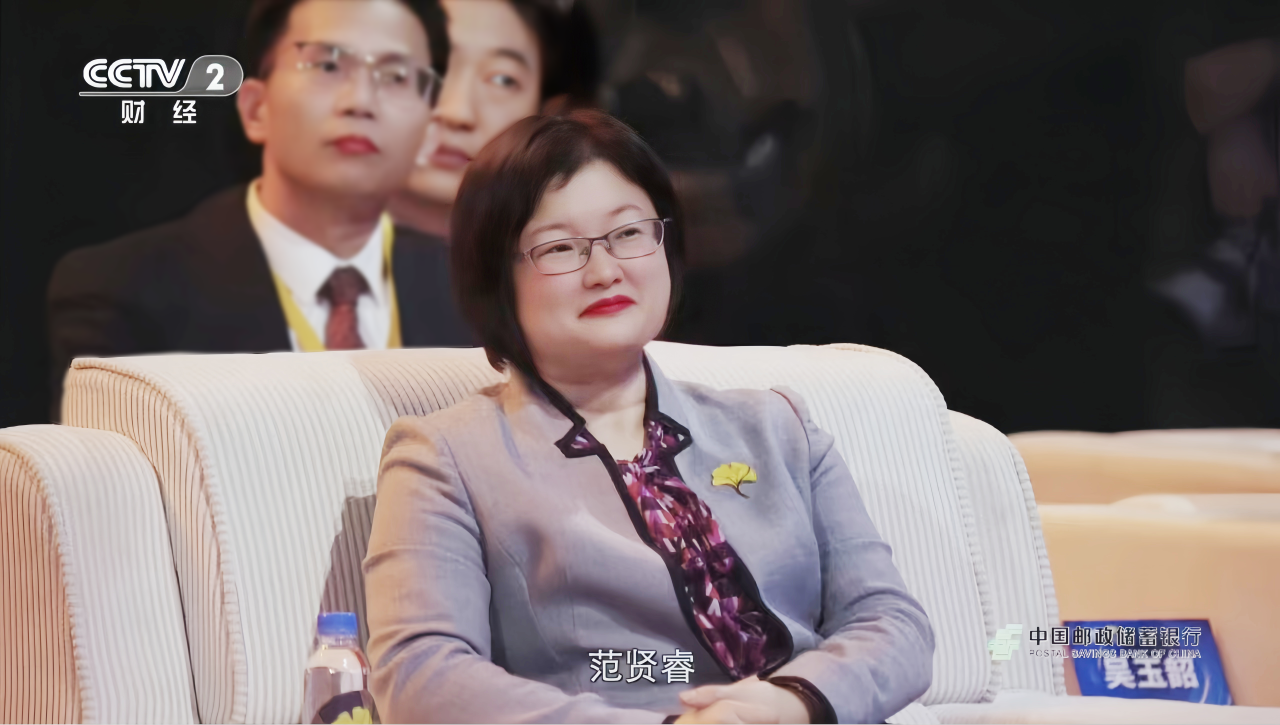 29 December 2025 – The first CMG Silver Economy Gala (hereinafter referred to as the "Gala") hosted by China Media Group (CMG) was broadcast on CCTV Financial Channel. The Gala brought together relevant state ministries and commissions as well as pioneering forces in the industry, presenting a comprehensive view of the new driving forces behind the development of China’s silver economy. Ms. FAN Xianrui, Vice President of the Seniors University of China (SUC), was invited. The Choir of the Ministry of Education Branch of the SUC delivered a devoted and impressive performance.
Beijing, 3 December 2025 – Dr. WANG Qiming, President of the Open University of China (OUC), visited the Health Human Resources Development Centre of the National Health Commission (hereinafter referred to as the “Centre”). The two sides had deep discussions around evaluating health workers, building a lifelong learning system for the health sector, and jointly conducting training programme for medical and healthcare workers.